Real Life… Real Situations… Real Learning

Conservative Toenail Care & Pedicure Education

Toenail Care at Home: Safe Relief for Ingrown, Thick & Callused Nails

Evidence-informed, non-surgical methods you can use at home—plus professional training for nail technicians. Clear steps, safety tips, and when to see a doctor.

Gentle toenail care at home—ingrown, thick nails and callus relief

What This Page Covers (and What It Doesn’t)

This page explains conservative, non-surgical toenail care—the same topics large health sites cover—translated into clear steps you can do at home. It is not medical advice. If you have signs of infection, diabetes, poor circulation, severe pain, or a wound that won’t heal, seek medical care promptly.

Terminology note for professionals: if you work in a salon, avoid calling services a “medical pedicure.” Use accurate terms like specialty pedicure, advanced pedicure, or toenail restoration to reflect conservative, in-scope care.

Ingrown Toenail: Identify & Home Relief

Common signs: tenderness along the nail edge, redness, swelling, and pressure when wearing shoes.

Conservative Steps (No Cutting)

  1. Soak foot in comfortably warm water for 10–15 minutes; dry gently.
  2. Clean the groove by removing lint/debris using the Ingrown Sidewall Cleaner. Lift the sharp edge out of the nail groove and trim away. Never dig or cut into skin.
  3. Relieve pressure by gently smoothing any sharp nail corner with the Ingrown Sidewall Rasp.
  4. Protect using Restore A Nail , a light, non-occlusive topical moisturizer on surrounding skin; don't cut nails down into sidewall or remove the side of the nail.
  5. Prevent: roomy footwear, nail edges must create a new nail groove if previously cut too low into the skin. Use Restore A Nail to keep skin and nail soft to allow the nail to move through the skin without discomfort.

Ingrown Toenail Cure — Step-by-Step Course

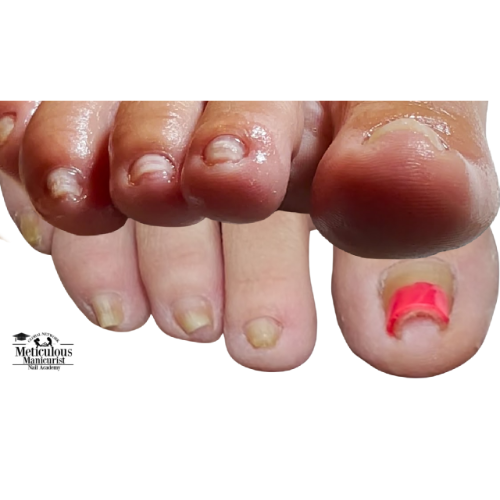
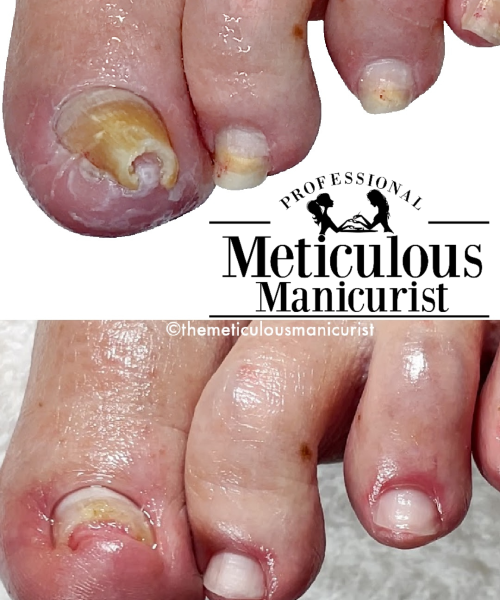
ingrown pincer toenail before and after

Calluses & Cracked Heels: Safe Reduction

What helps: gradual removal of thick skin, smoothing—never aggressive cutting. Over-thinning can cause rebound thickening.

  1. Soften soak feet for 10 minutes in warm water before applying Meticulous Manicurist Callus Remover. Apply Callus Remover using Meticulous Manicurist Applicator Brush and put feet back in water for 5 minutes
  2. Gently remove with a foot file gently srape top dissolved layer of excess skin from surface of skin. Then file the callused area to remove additional hard skin; stop if sore or pink.
  3. Moisturize with Restore A Nail or rich emollient cream; cotton socks overnight.
  4. Repeat 1-2×/month; maintain 1 x monthly once improved.

Callus Reduction Training (inside STAR NT™)

Buy Callus Remover

Thick / Discolored Toenails: Gentle, Conservative Care

Thick nails build pressure and trap debris. A conservative routine can improve comfort and hygiene.

  • Keep nails short to have 2 mm free edge and no longer. Nail that are too long don't have the nail bed to hold the shape of the free edge and they trap debris and curl from moisuture.
  • File surface the reduce thickness before trimming with Toenail Nippers for best result.
  • Clean visible debris in grooves. Rub your toes with a towel after bathing to reduce skin buildup.
  • If you see redness, drainage, or sudden changes, seek medical evaluation.
  • Apply Restore A Nail one drop morning and evening to protect the new growth and encourage healthly nail.

Professional Module: Thick Toenail Care

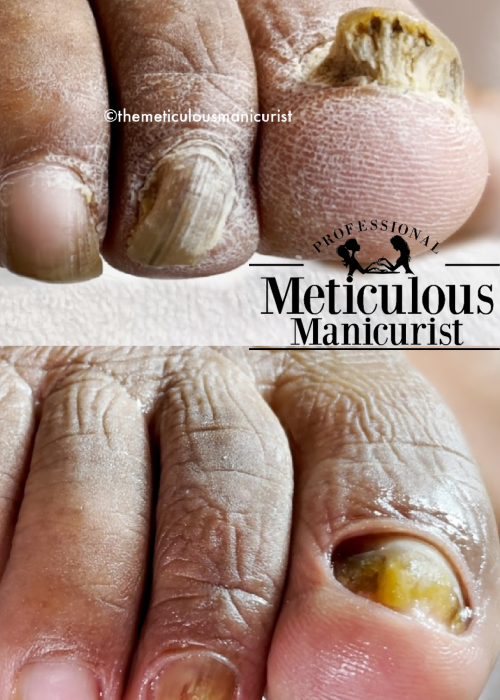
thick toenails before and after

Pincer / Trumpet Nails: Understanding Pressure & Relief

Curving nails can pinch soft tissue. Goals: reduce pressure, improve comfort, and keep grooves clean.

  • Avoid gel polish on toes.
  • Do keep nai length just above the attachment point, hyponychium, and edges rounded to reduce digging.
  • Don’t wedge deep objects under the nail or attempt to pry it open.
  • Apply Restore A Nailonce in morning and once in evening to soften the nail and the skin so the nail can open and move back into the natural nail groove.
  • Footwear: wider toe box; avoid tight taper.
  • Persistent pain or rapidly worsening curvature warrants a medical assessment.

Get Restore A Nail Today

When to See a Doctor

  • Signs of infection: spreading redness, warmth, pus, fever
  • Severe pain, sudden swelling, or trauma to nail/skin
  • Diabetes, neuropathy, poor circulation, or immune compromise
  • Non-healing cracks, ulcers, or rapidly changing nail shape/color

This page is educational only and not a substitute for medical care.

Go Deeper: Courses & Helpful Tools

Acrylic nails kit

STAR NT™ Certification

Complete specialty pedicure education: ingrown, thick, callus, pincer, sanitation & business.

Start Learning
Ingrown toenail kit

Ingrown Toenail Kit

Gentle tools and care items to keep grooves clean and reduce pressure at home.

Add Kit
Pedicure tutorials

Free Pedicure Tutorials

Step-by-step videos: toenail cleaning, callus care, shaping, polishing, and more.

Watch Now

Frequently Asked Questions

Can I fix an ingrown toenail at home?

Mild discomfort often improves with gentle groove cleaning, smoothing sharp edges, and footwear adjustments. Thousands of people have eliminated the risk on ingrown toenails using the Meticulous Manicurist methods at home. If there’s infection or severe pain, contact your doctor for advice.

Is callus shaving safe?

Skip sharp blades at home. Gradual filing and moisturizers work well and reduce risk of cuts or rebound thickening. Using the Meticulous Manicurist Callus Remover to break up callused skin and scrape away is a great alternative.

What about “medical pedicures”?

In salons, services should be described as specialty or advanced pedicures focused on conservative care. “Medical” implies a clinical setting and scope. Pedicures aren't medical procedures and not covered by insurance. Podiatrist and doctors don't give pedicures and most toenail issues are considered cosmetic. Contact your medical insurance to inquire about coverage of toenail care procedures. Your health conditions and diagnosis is taken into account when determining coverage for non threatening conditions like nail fungus and ingrown toenails.

Scroll to Top